The Most Impressive Castles in Germany: A Journey Through Time
Germany is a land steeped in history, myth, and architectural splendor. Among its most captivating treasures are its castles—majestic structures perched on hilltops, nestled in forests, or rising above rivers. These fortresses and palaces tell stories of medieval power struggles, romantic ideals, and royal ambition. Here are some of the most impressive castles in Germany that continue to enchant visitors from around the world.
Neuschwanstein Castle: The Fairytale Icon
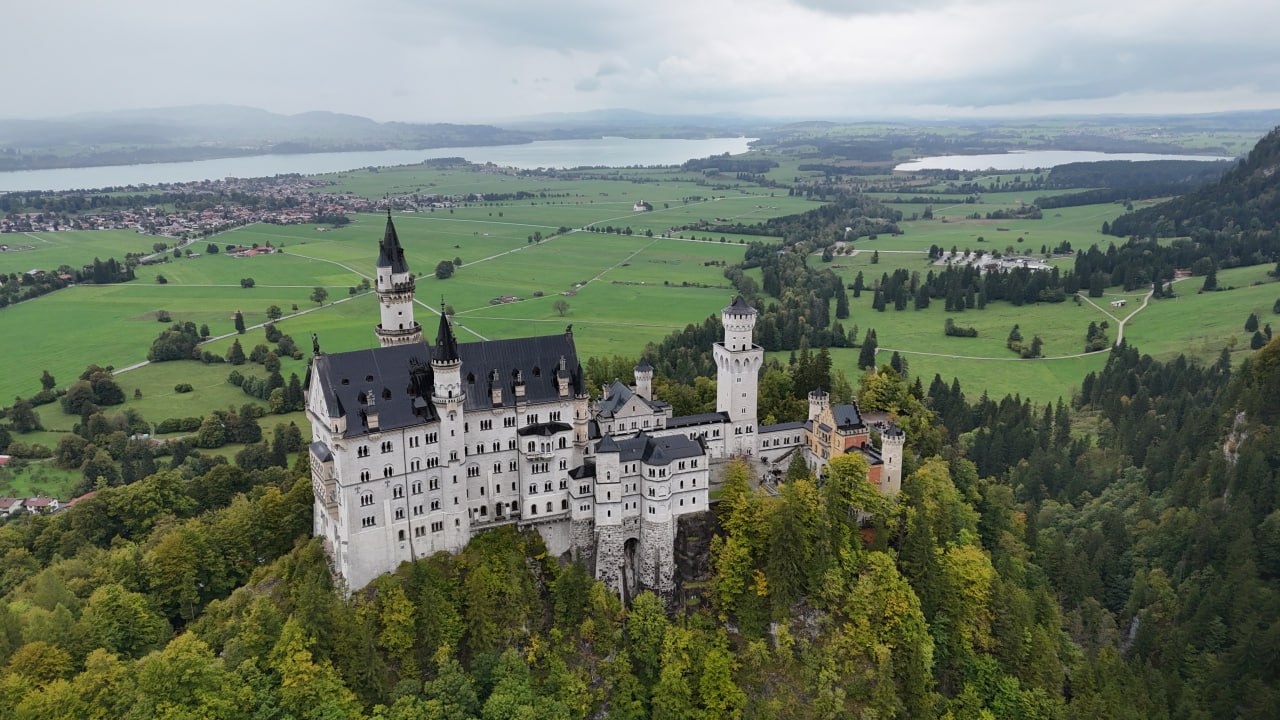
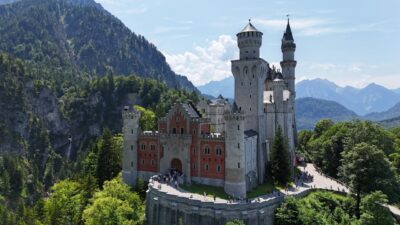
Arguably the most famous castle in Germany, Neuschwanstein Castle looks like it was lifted straight from the pages of a storybook. Commissioned by King Ludwig II of Bavaria in the 19th century, it was inspired by medieval legends and the operas of Richard Wagner. With its white limestone façade, soaring towers, and breathtaking alpine backdrop, Neuschwanstein has become a global symbol of romantic architecture. It even served as inspiration for Disney’s Sleeping Beauty Castle.
Hohenzollern Castle: A Hilltop Masterpiece
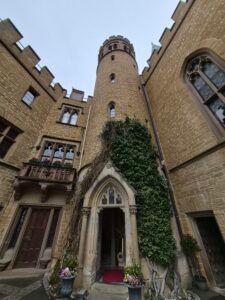
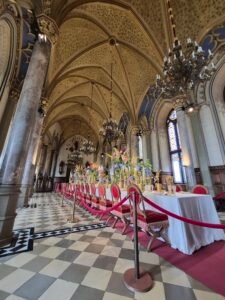
Perched dramatically atop Mount Hohenzollern, this castle offers panoramic views of the surrounding countryside. The current structure, completed in the 19th century, is the third castle built on this site and represents the ancestral seat of the Hohenzollern dynasty. Its neo-Gothic design, fortified walls, and striking silhouette make it one of the most photogenic castles in the country.
 .
. 
Heidelberg Castle: Romantic Ruins
Overlooking the Neckar River, Heidelberg Castle is a stunning blend of Gothic and Renaissance architecture. Partially in ruins due to wars and lightning strikes, it has become a symbol of German Romanticism. The castle’s red sandstone walls, expansive terraces, and the famous Heidelberg Tun (a massive wine barrel) draw visitors who are captivated by its beauty and history.
Eltz Castle: A Hidden Gem
Unlike many castles that were rebuilt or heavily restored, Eltz Castle has remained largely untouched for over 850 years. Tucked away in a forested valley, it feels like a secret waiting to be discovered. The castle is still owned by the same family that built it, offering a rare glimpse into continuous medieval heritage. Its timber-framed architecture and picturesque setting make it one of the most authentic castles in Germany.
Sanssouci Palace: Prussian Elegance
Located in Potsdam, Sanssouci Palace was the summer residence of Frederick the Great, King of Prussia. Unlike the defensive castles of earlier centuries, Sanssouci reflects the transition to more leisurely royal living. Designed in the Rococo style, it features elegant gardens, terraces, and ornate interiors. Its name, meaning “without worry,” perfectly captures its tranquil and refined atmosphere.
Wartburg Castle: A Cultural Landmark
Wartburg Castle holds a special place in German history and culture. It was here that Martin Luther translated the New Testament into German, shaping the country’s linguistic and religious identity. The castle also hosted the Wartburg Festival, an important event in the early German nationalist movement. Its well-preserved halls and historical significance make it a UNESCO World Heritage Site.
Schwerin Castle: The Versailles of the North
Situated on an island in Lake Schwerin, this castle is often compared to France’s Versailles due to its grandeur and elegance. With its golden domes, elaborate towers, and scenic water surroundings, Schwerin Castle looks like a dream come to life. Today, it houses the state parliament, blending historical splendor with modern governance.
Conclusion
Germany’s castles are more than just architectural wonders—they are gateways into the country’s past. Each castle reflects a different era, style, and story, from medieval fortresses to romantic palaces. Whether you’re drawn to dramatic ruins, fairytale designs, or historical significance, exploring these castles offers an unforgettable journey through time.
For travelers and history enthusiasts alike, Germany’s castles remain enduring symbols of beauty, power, and imagination.