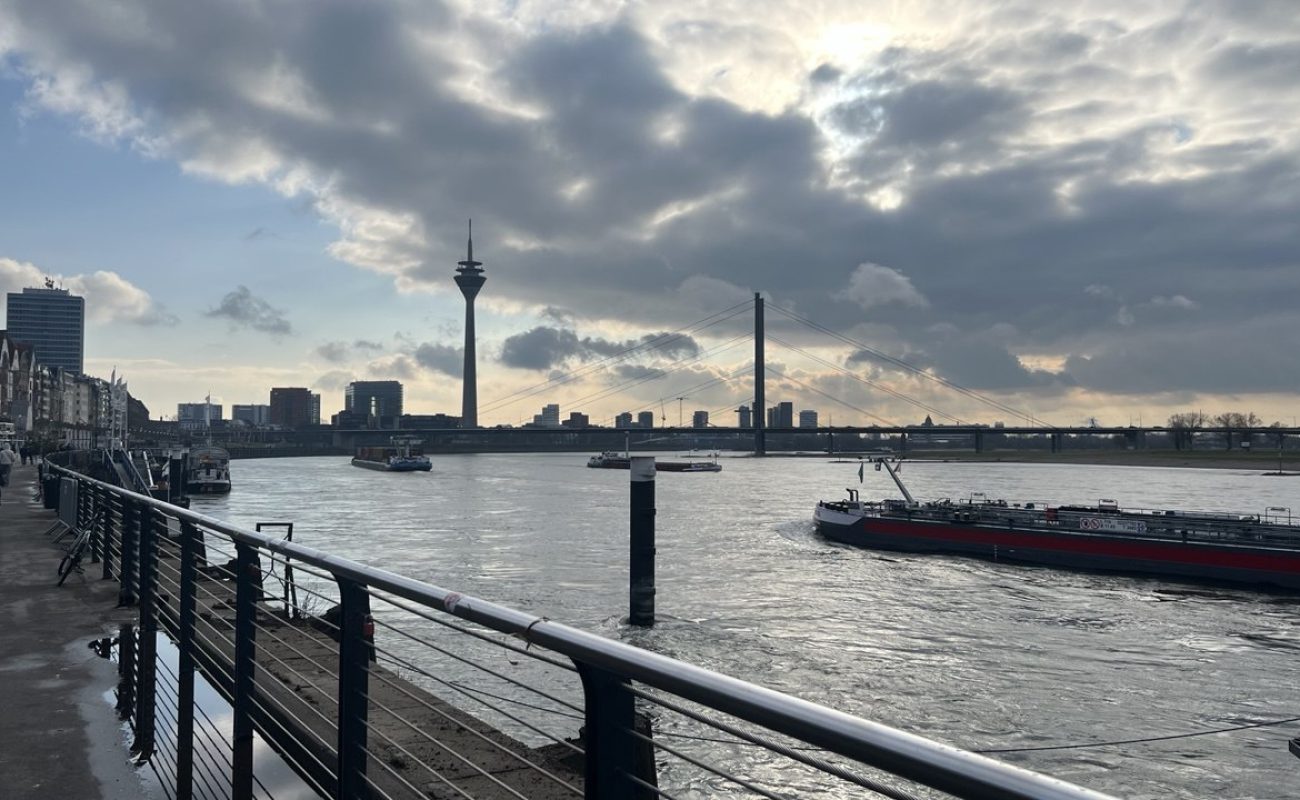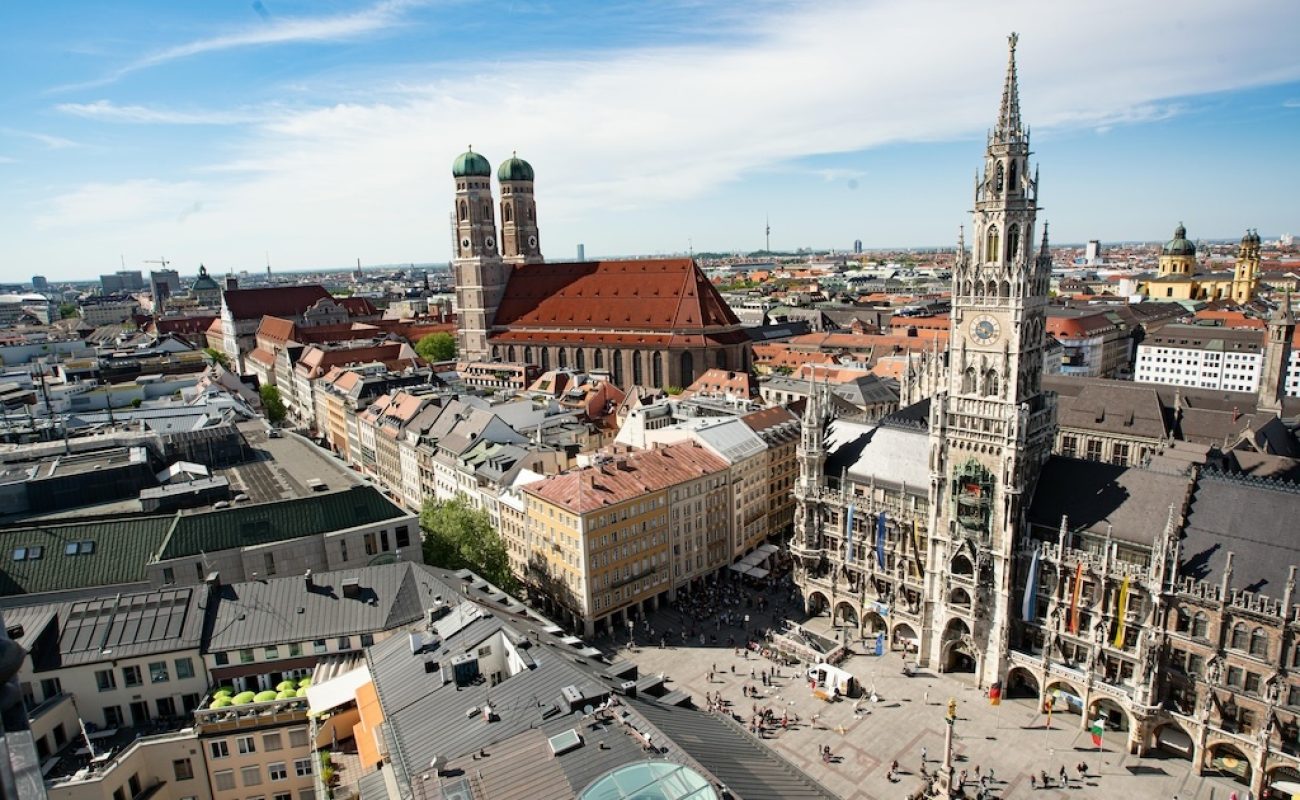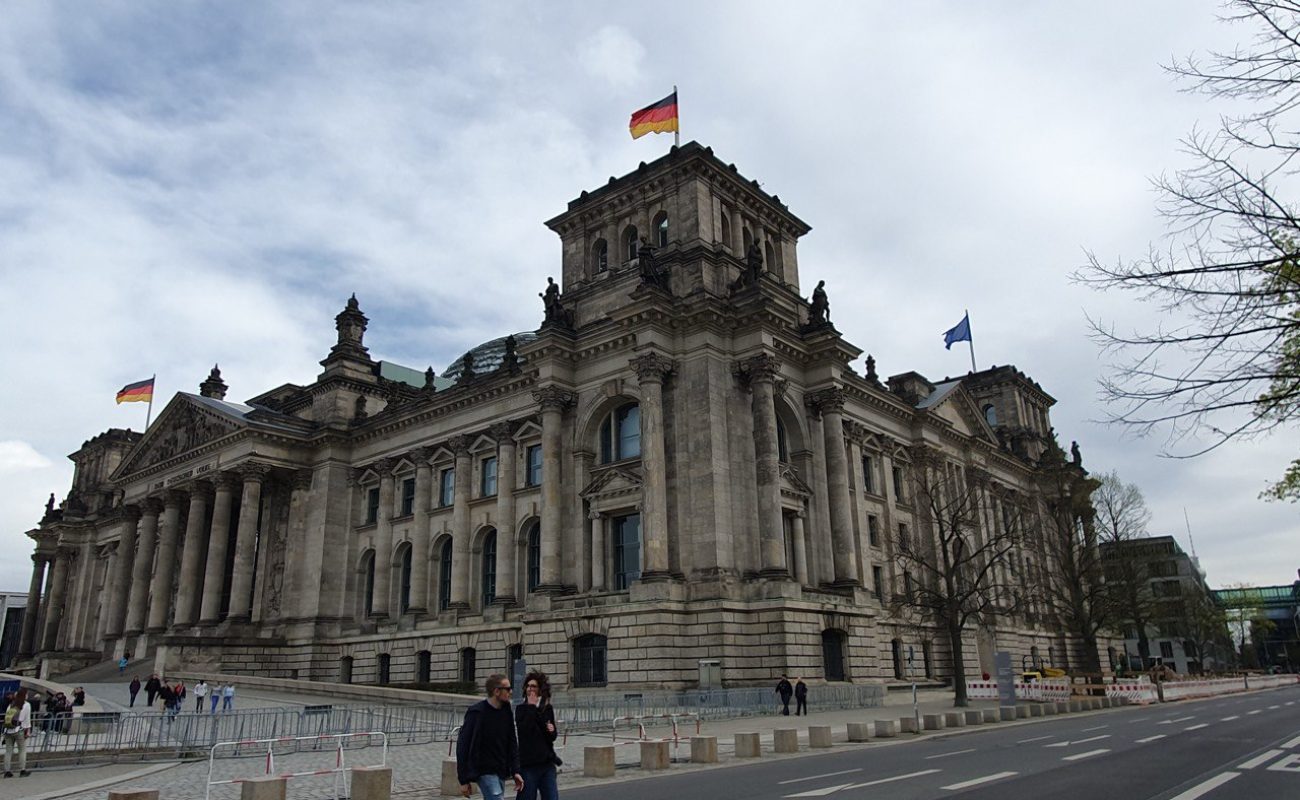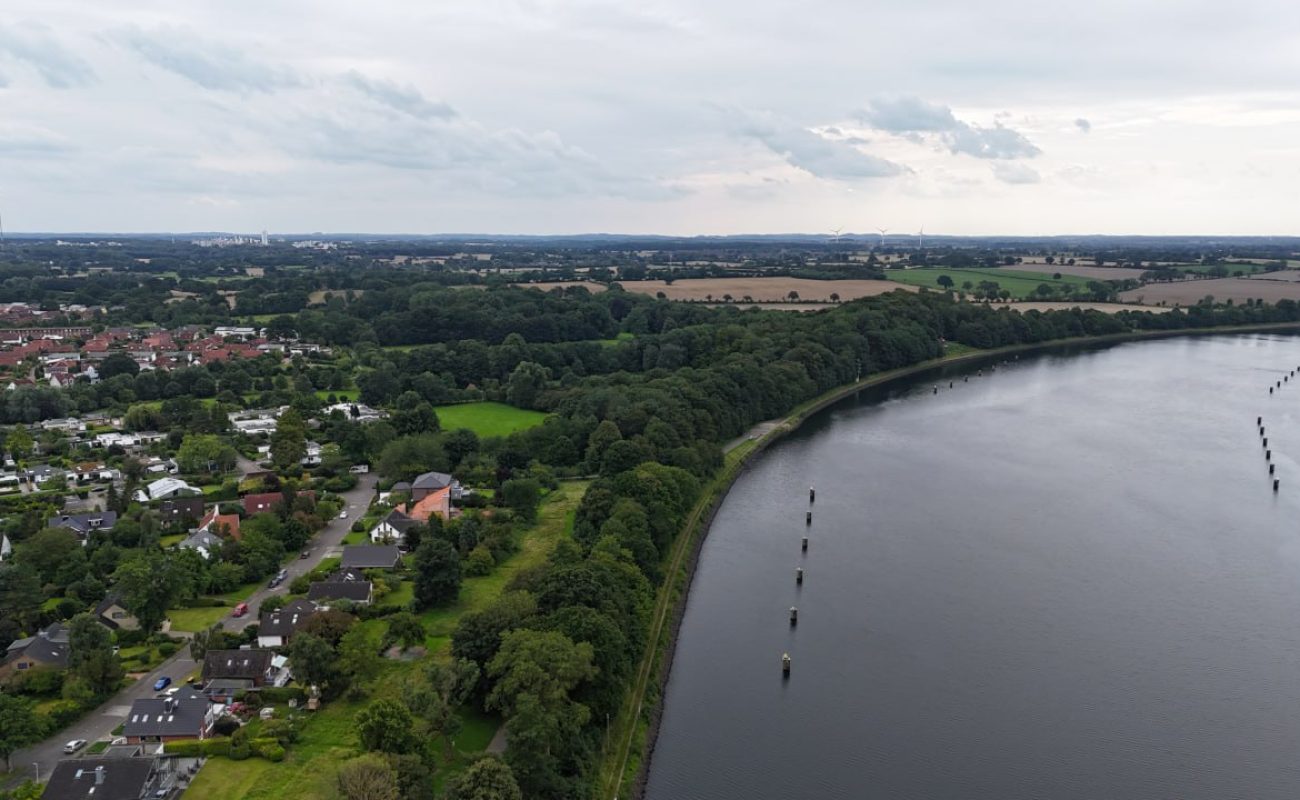

The Best Time to Visit Germany: It’s More Than Just Spring and Summer
When people ask about the best time to visit Germany, the most common answer is usually spring or summer. Pleasant temperatures, lush green landscapes, long daylight hours, and outdoor attractions make these seasons particularly appealing. However, this traditional perspective overlooks an important fact: Germany is a year-round destination, especially when travel is planned strategically.
Rather than viewing Germany solely as a leisure destination, travelers can significantly increase the value of their trip by combining tourism with business, trade fairs, professional networking, and cultural experiences.
Choose Your Travel Season Based on Your Purpose
The ideal time to visit Germany depends less on the weather and more on the objective of your trip. Before booking your flight, ask yourself what you want to achieve.
Your primary purpose may include:
- Leisure and sightseeing
- Visiting international trade fairs and exhibitions
- Business meetings and networking
- Exploring museums, castles, and historical landmarks
- A combination of business and leisure (often referred to as “bleisure” travel)
Among these options, combining business and leisure often provides the highest return on both time and investment.
Spring: Germany at Its Most Colorful
From April to June, Germany comes alive with blooming gardens, green parks, picturesque rivers, and vibrant historic cities. Temperatures are generally comfortable, making it one of the best seasons for walking tours, cycling, and outdoor sightseeing.
Another advantage is that tourist crowds are usually smaller than during the peak summer months, allowing visitors to enjoy major attractions more comfortably.
Summer: Peak Tourist Season
Between June and August, Germany experiences its busiest travel season. Open-air festivals, lakes, beer gardens, outdoor cafés, and countless cultural events attract millions of visitors from around the world.
However, travelers should also consider several practical factors:
- Hotel prices are generally at their highest.
- Popular attractions can become crowded.
- Flights and accommodation often need to be booked several months in advance.
Autumn: An Underrated Opportunity
Many people assume that autumn marks the end of Germany’s travel season. In reality, this is one of the most rewarding periods—particularly for business travelers.
A large number of Germany’s internationally renowned trade fairs and industry exhibitions take place during autumn. Companies resume full business activity after the summer holiday period, making it an excellent time for meetings, negotiations, and networking.
A well-planned autumn itinerary might include:
- Attending an international trade fair
- Holding one or more business meetings
- Visiting world-class museums
- Exploring Germany’s magnificent castles and palaces
- Discovering historic city centers and cultural institutions
This combination transforms a business trip into a comprehensive travel experience that delivers professional, cultural, and personal value.
Winter: More Attractive Than Many Expect
Winter is often overlooked by international tourists, yet it offers unique advantages.
Although colder temperatures and shorter days limit outdoor activities, Germany’s indoor attractions become even more enjoyable. Visitors can experience:
- Museums and art galleries without long queues
- Historic castles, palaces, and architectural landmarks
- Traditional Christmas markets
- More competitive hotel rates in many cities
- Efficient business trips with fewer tourist crowds
For travelers interested in history, culture, architecture, or professional activities, winter can be an excellent choice.
Climate Change Is Changing Travel Patterns
Global climate change is gradually influencing travel decisions around the world. As many traditional holiday destinations experience increasingly intense summer heat, countries with milder climates are becoming more attractive.
Germany is among those destinations where summers generally remain relatively comfortable compared with many southern European regions. This makes it an appealing option for travelers seeking pleasant weather while avoiding extreme temperatures.
Carefully planning a trip to Germany during warmer months can therefore provide both greater comfort and a more enjoyable travel experience.
Is There Really a Bad Time to Visit Germany?
Rather than asking when not to visit Germany, it is more useful to ask what you want to accomplish during your trip.
If your priority is outdoor recreation, lakes, hiking, and long sunny days, winter may not be your first choice.
However, if your goals include:
- Attending international exhibitions
- Expanding your professional network
- Meeting business partners
- Visiting museums and cultural institutions
- Combining work with tourism
then autumn and winter may actually offer greater overall value than the traditional summer vacation.
Conclusion
The best time to visit Germany cannot be determined solely by the weather. It depends on the purpose of your journey.
Germany is one of the few destinations where every season offers distinct opportunities. By combining business travel with leisure activities—a concept increasingly known as bleisure travel—visitors can maximize both the economic and personal value of their trip.
Attending a trade fair, scheduling business meetings, and complementing them with visits to museums, castles, historic cities, and cultural landmarks creates a richer and more rewarding travel experience. In this sense, Germany is not merely a seasonal tourist destination but a country that justifies a well-planned visit throughout the entire year.
By: Siamak Ekhtary
Business Development
Gate of Nations GmbH