Beer in Germany: More Than a Drink, a Living Cultural and Regional Identity
Drinking beer in Germany is not merely a habit or a beverage choice; it is a deeply rooted social culture that serves as a framework for creating, maintaining, and understanding human connections. In this cultural context, what matters is not only what you drink, but who you drink with and where the experience takes place. Each setting, each group, and each occasion gives a different meaning and social quality to the act of drinking beer.
Beyond its social role, beer in Germany is also one of the most historically significant and strictly regulated food traditions in Europe. Brewing in German-speaking regions dates back over a thousand years, with early documentation emerging from medieval monastic communities, where monks played a key role in refining brewing techniques and maintaining production standards.
A defining milestone in this history is the Reinheitsgebot (Beer Purity Law) of 1516 in Bavaria. This regulation stipulated that beer could only be brewed using water, barley malt, and hops. It is widely considered one of the oldest food regulations still influencing production standards today and has shaped the global reputation of German beer for purity and consistency.
Today, Germany is one of the most diverse beer-producing countries in the world. It is estimated that there are between 1,500 and 2,000 active breweries across the country, producing more than 7,000 different beer variations. This diversity is not only the result of modern industrial development but also a reflection of deep regional identities and historical brewing traditions.
German beer styles can be broadly categorized into several main families. These include lagers, pilsners, wheat beers (Weissbier or Hefeweizen), ales, and darker styles such as Dunkel and Bock. Each category has distinct characteristics: wheat beers are often fruity and cloudy with a soft texture, pilsners are crisp and bitter with a clean finish, while darker beers tend to be richer, maltier, and more robust in flavor.
What makes Germany particularly unique is the strong regional identity of its beer culture. Nearly every federal state has its own iconic styles and breweries:
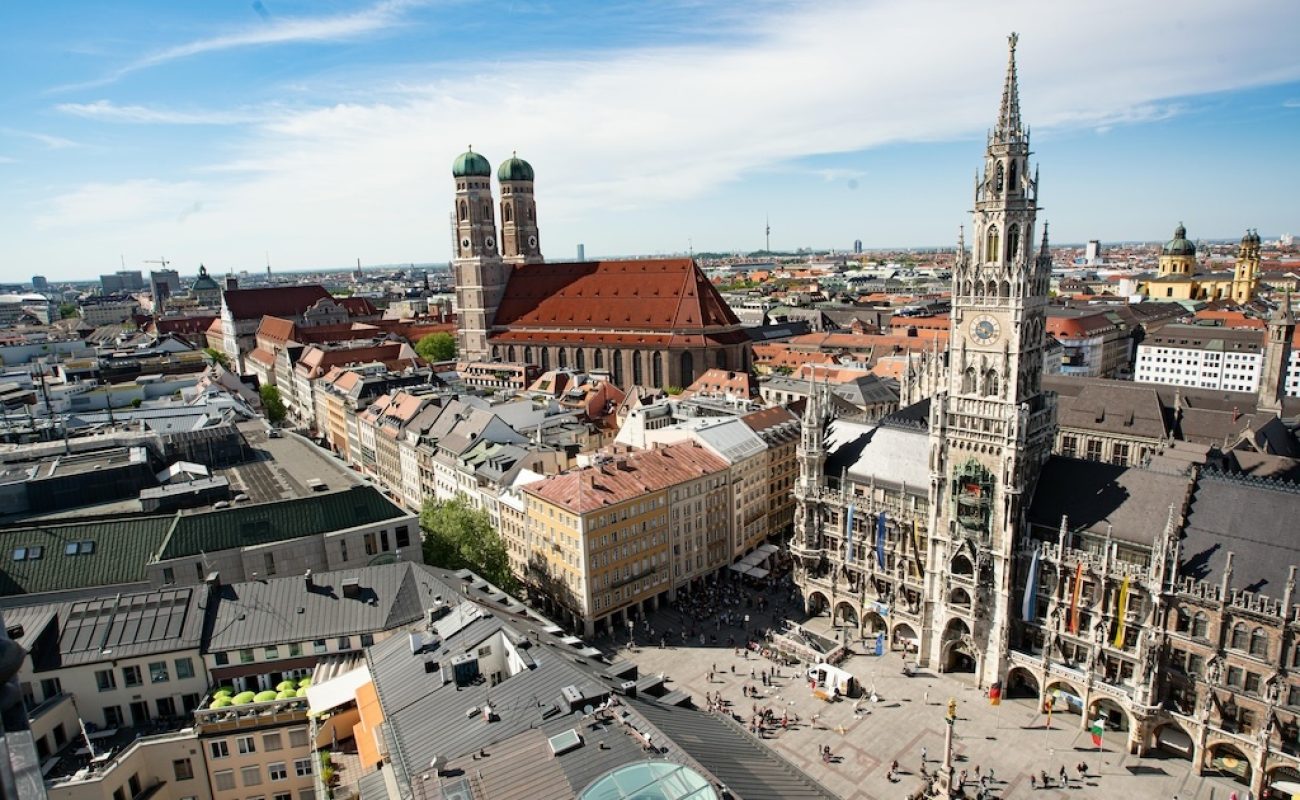
In Bavaria, traditional breweries such as Augustiner and Paulaner represent the classic Munich beer culture, especially known for wheat beers and strong lager traditions.
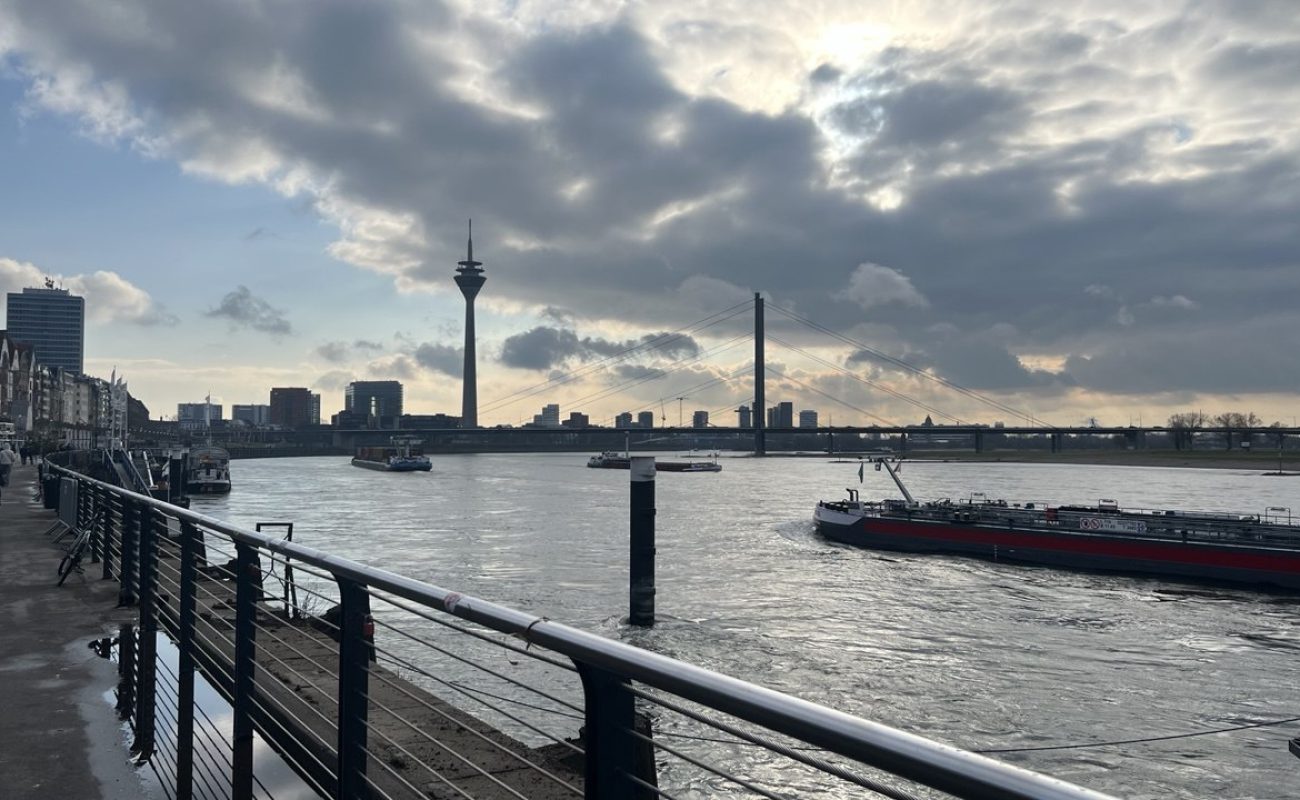
In North Rhine-Westphalia, Kölsch from Cologne and Altbier from Düsseldorf represent not only beer styles but also a historic cultural rivalry between neighboring cities.
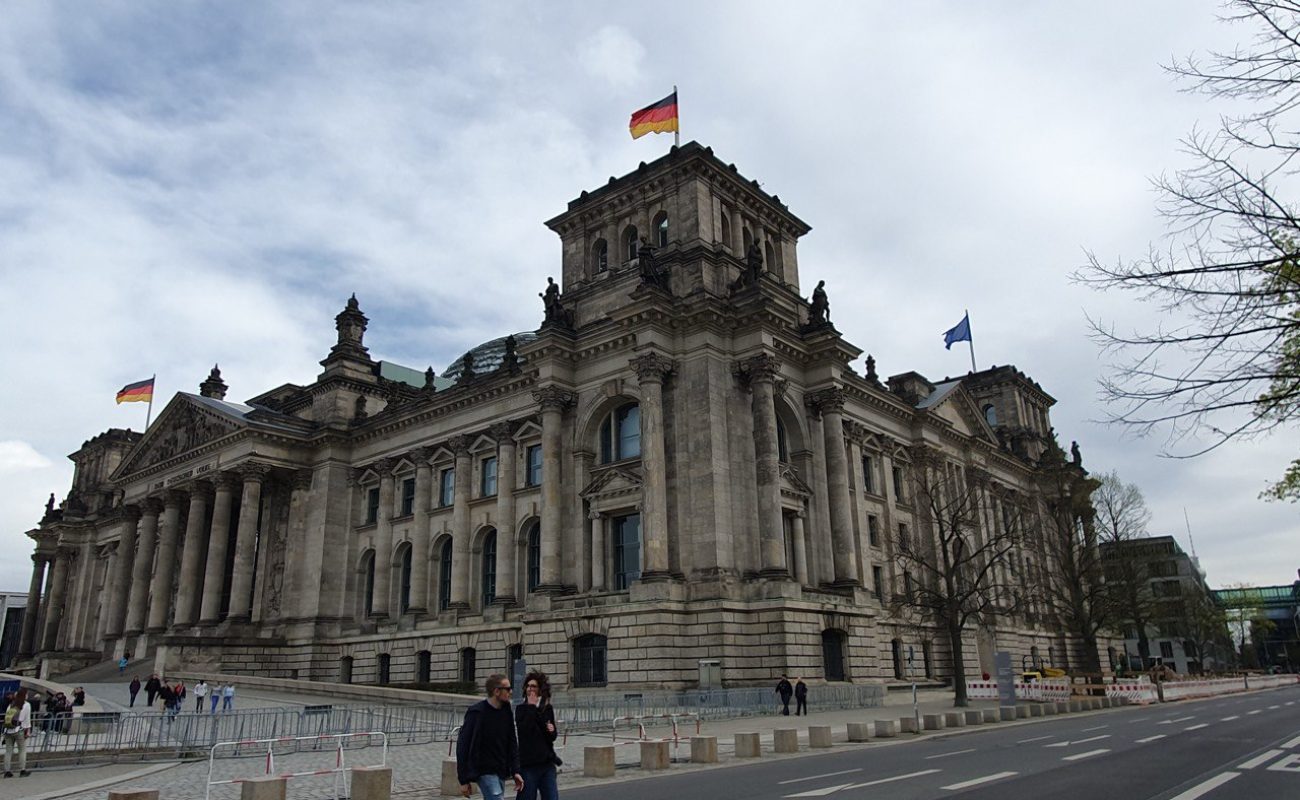
In Berlin, Berliner Weisse is a distinctive light, sour wheat beer often served with flavored syrups.
In Baden-Württemberg, breweries such as Rothaus are well known for high-quality regional Pilsners.
In Saxony, especially around Leipzig and Dresden, local breweries maintain smaller but historically rich brewing traditions.
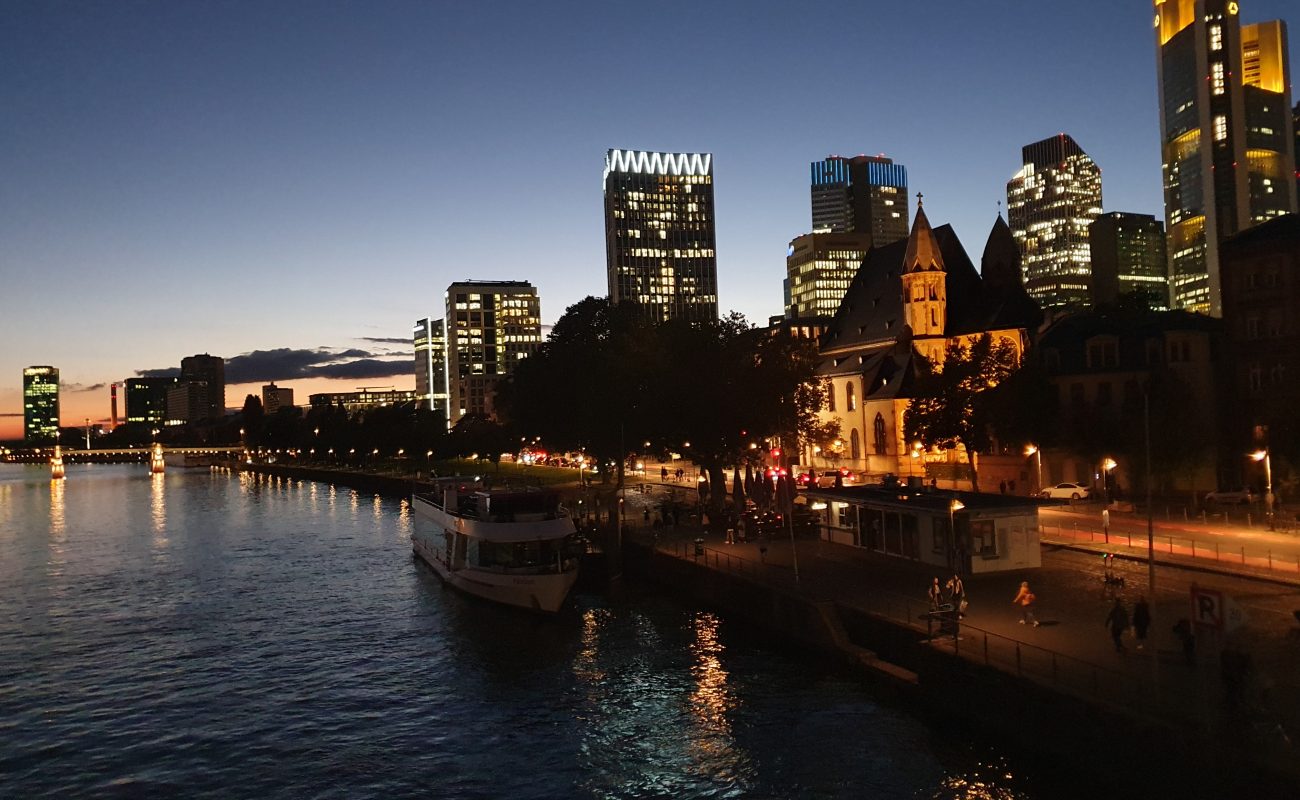
In Hesse, Apfelwein (apple wine) plays an important cultural role, even though it is technically not beer, reflecting the broader fermentation culture of the region.
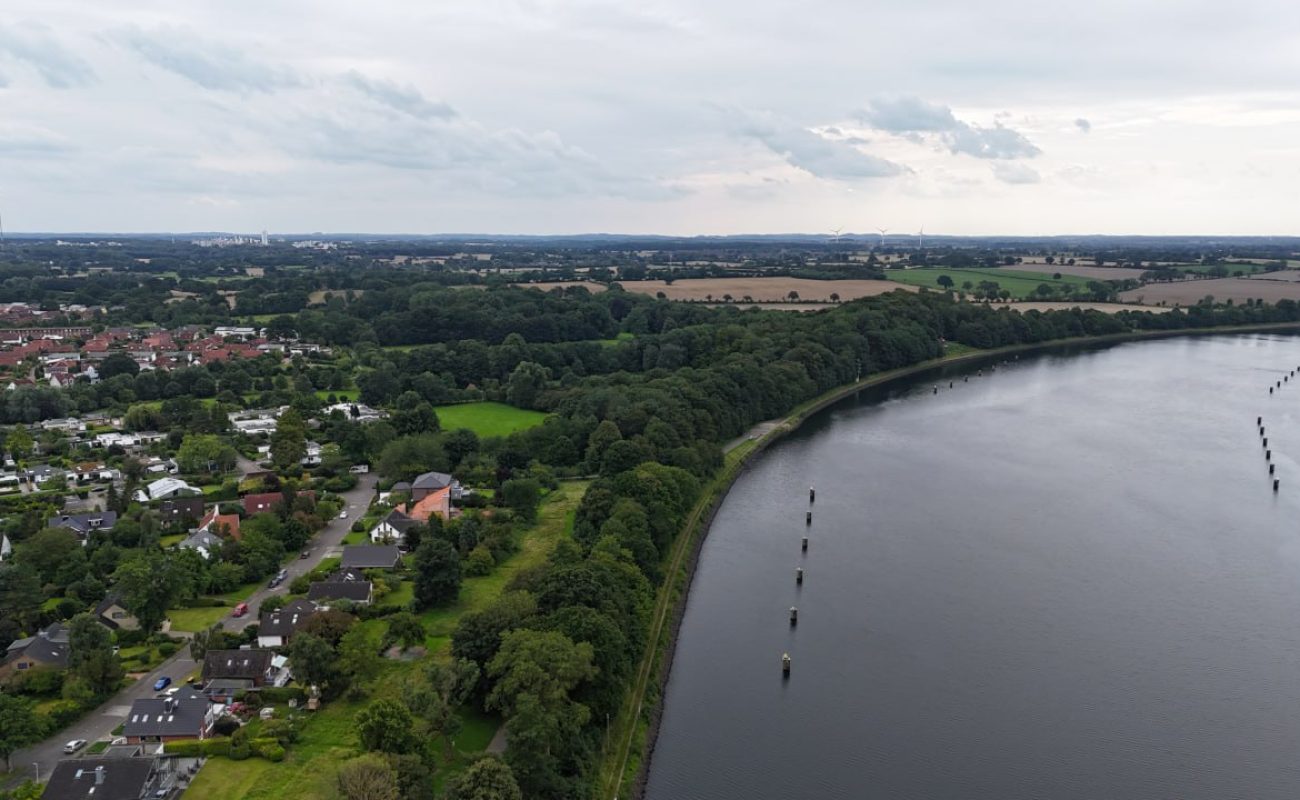
In Hamburg and northern Germany, crisp Pilsners dominate, with well-known brands such as Holsten and Astra being widely recognized.
In Thuringia and Saxony-Anhalt, numerous small and traditional breweries continue to operate, preserving local brewing heritage.
This regional diversity demonstrates that beer in Germany is not a standardized product but rather a reflection of local identity, history, and pride. Every region tells its own story through flavor, technique, and tradition.
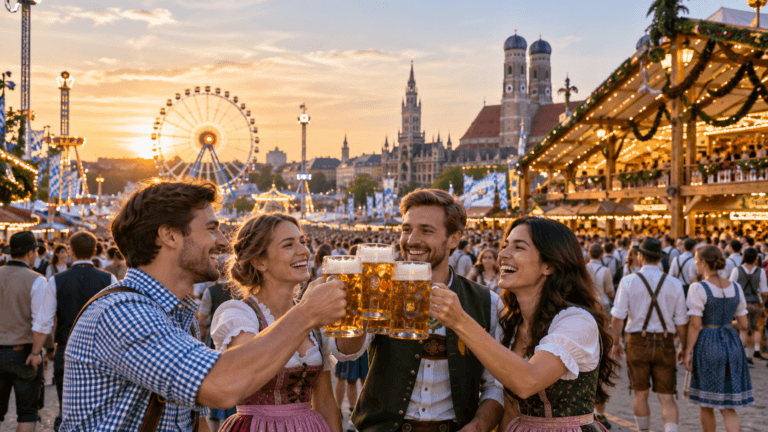
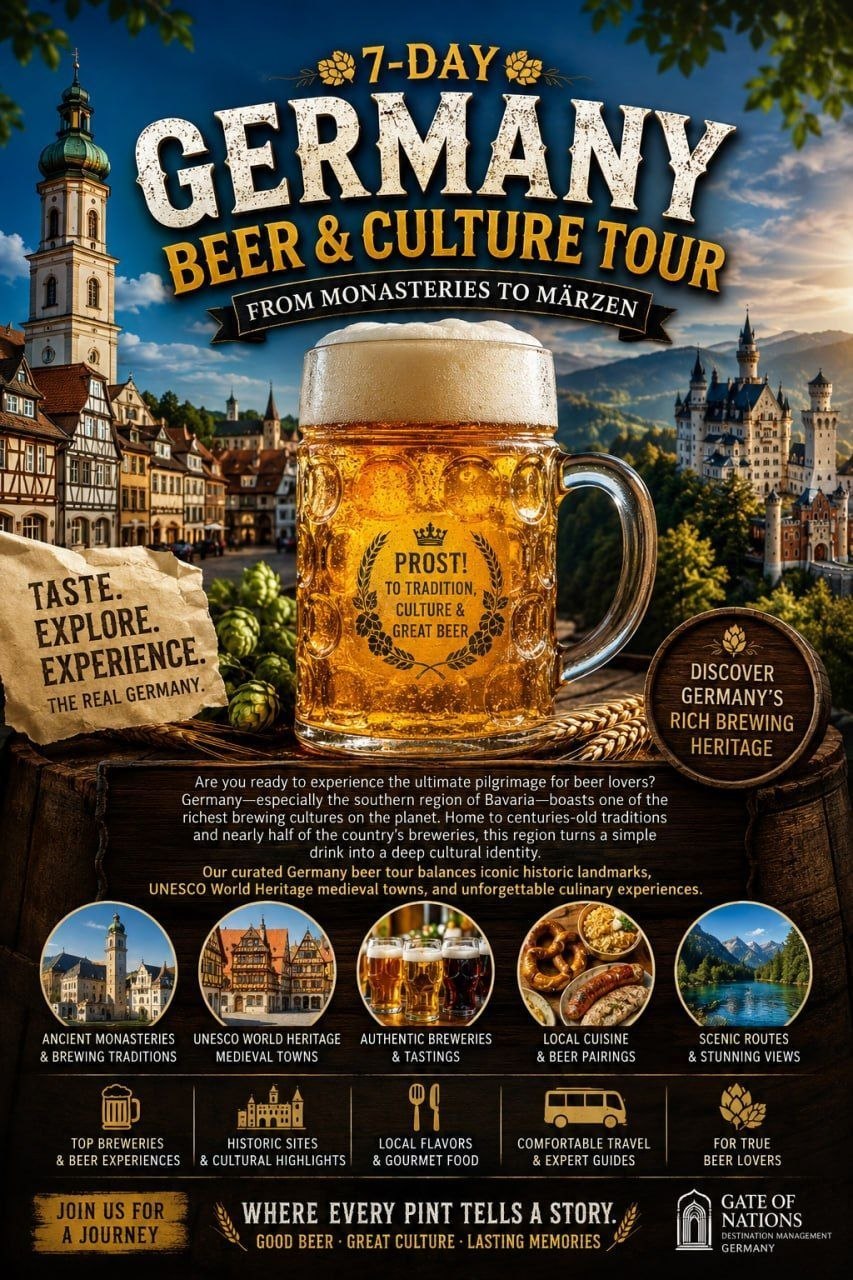
From a tourism perspective, this creates a powerful cultural framework. Beer culture can be transformed into structured, experience-based travel products: from brewery visits and historical beer routes to major festivals such as Oktoberfest in Munich, or comparative city tours in Cologne and Düsseldorf exploring regional styles and cultural differences.
Ultimately, German beer culture is not just a culinary tradition; it is a living cultural system that connects history, geography, and social interaction. It offers a unique opportunity for personalized and scenario-based tourism design, where travelers can experience not only different tastes, but also different identities, stories, and ways of social connection embedded in each region of Germany.
Siamak Ekhtary
Business Developer
Gate of Nations GmbH